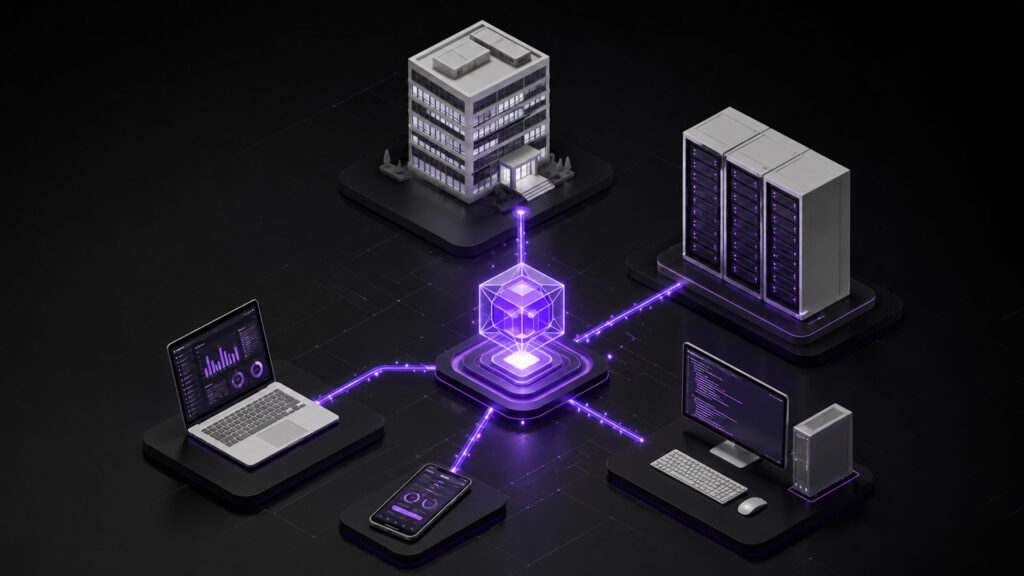

If there is one constant we have learned while protecting critical infrastructures, it is that defense can never afford to remain static. 2026 is shaping up to be one of the most complex years for information security: traditional perimeter protection methods are now obsolete in the face of an exposure surface that spans Cloud, IoT, OT, and SaaS.
According to the Verizon data breach investigations report (DBIR), the threat landscape is evolving at a speed that exceeds the adaptive capacity of many organizations. Here are the five pillars upon which every CISO must build their strategy.
Identity is the new perimeter (Zero Trust)
Approximately 80% of advanced intrusions today exploit compromised credentials. In 2026, the perimeter is no longer a physical barrier but every single identity—human or machine—accessing your systems. Implementing a Zero Trust architecture and Privileged Access Management (PAM) solutions is no longer an option, but a necessity to limit an attacker’s lateral movement.
Discover how our Identity and Access Management Services can fortify your infrastructure.
Corporate AI: the new frontier of attack
The mass adoption of generative AI has opened new attack vectors:
- Data Poisoning: corrupting training data to influence outcomes.
- Model Stealing: theft of intellectual property within the models.
- Prompt Injection: manipulation of chatbots and virtual assistants. The response must be AI Security by Design, integrating active monitoring and specific red teaming for intelligent systems.
Crypto-agility and the quantum threat
The “Harvest now, decrypt later” strategy puts long-term industrial secrets at risk today. With the publication of NIST standards for Post-Quantum Cryptography (PQC), companies must adopt crypto-agility that allows for algorithm updates without disrupting the entire infrastructure.
Regulated resilience: NIS2 and DORA
The era of cybersecurity based on “good intentions” is over. The NIS2 and DORA directives demand not just response plans, but tangible and continuous evidence of resilience. Non-compliance can lead to fines of up to €10 million or 2% of global turnover.
Consult our guide on Compliance and Operational Resilience to mitigate legal and reputational risks.
The human factor: automation vs burnout
With a global shortage of 4.8 million professionals, intelligent automation (SOAR) is the only way to manage alert fatigue in SOCs. However, technology must be paired with a pervasive security culture: trained users are the first critical control of any defense.
A holistic vision
Cybersecurity in 2026 requires an approach that integrates technology, processes, and people. If you want to prepare your organization for future challenges, having a strategic partner who understands your risk profile is essential.
Contact NEVERHACK Experts for an assessment of your security posture.